Tree pruning in Heston: careful, local tree care for homes, gardens, and businesses
If you are looking for tree pruning in Heston, you are likely dealing with one of a few common situations: a tree that has become too large for the garden, branches hanging over a roof or pathway, reduced light in the property, or a tree that simply needs regular maintenance to stay healthy and tidy. Local tree pruning is not just about making a tree look better. Done properly, it helps protect buildings, improves safety, supports growth, and keeps outdoor spaces usable throughout the year.
Heston has a mix of property types, from family homes with smaller front and rear gardens to larger plots, shared access spaces, and commercial premises near busy roads. That means tree work often needs a practical approach. Access can be tight, parking may be limited, and many customers want a service that is tidy, efficient, and respectful of neighbouring properties. A local team that understands these conditions can make the whole process easier from the first enquiry through to the final clear-up.
Whether you need crown reduction, thinning, deadwood removal, formative pruning for younger trees, or simple maintenance work to keep overgrown branches under control, a professional tree pruning service can help you make the right decision for the tree and for the space around it.
Why tree pruning matters for Heston properties
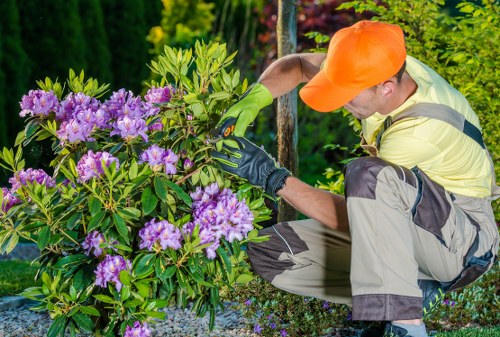
Tree pruning is one of the most useful forms of tree care because it serves several purposes at once. It can improve the shape and balance of a tree, reduce the risk of broken limbs, help light reach gardens and windows, and remove branches that rub, cross, or grow in undesirable directions. In a built-up area like Heston, those benefits matter even more because trees often sit close to homes, fences, garages, driveways, and public footpaths.
For homeowners, pruning may be needed to keep branches away from roofs, gutters, aerials, conservatories, or neighbouring gardens. For landlords and managing agents, it can help maintain a safe and presentable exterior for tenants and visitors. For businesses, tree maintenance can improve kerb appeal, keep access clear for customers and deliveries, and reduce the chance of disruption caused by fallen branches after wind or heavy rain.
Typical reasons customers arrange pruning
Local customers usually book tree pruning for a practical reason rather than just appearance. Common concerns include blocked light, overhanging branches, trees growing too close to buildings, dead wood, poor structure, and branches interfering with vehicle access or shared pathways. In many cases, a tree does not need to be removed; it just needs considered pruning at the right time and in the right way.
Services included with professional tree pruning
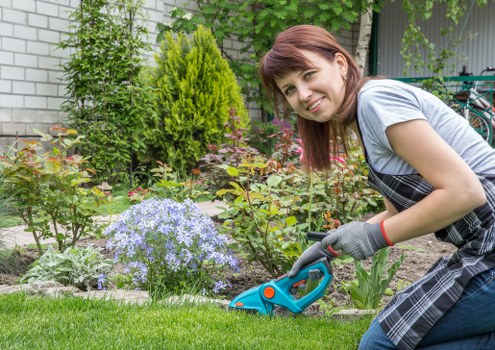
A well-planned pruning service should be tailored to the tree species, its age, location, and the outcome you want. Different trees require different approaches, and a careful arboricultural method is important if you want the tree to remain healthy after the work is completed.
Depending on the condition of the tree and your aims, a pruning visit may include one or more of the following:
- Crown reduction to reduce the overall size of the canopy while keeping a natural shape
- Crown thinning to reduce branch density and allow more light and air through the canopy
- Crown lifting to raise the canopy and improve clearance over paths, drives, lawns, and roads
- Deadwood removal to take out dead, damaged, or unstable branches
- Selective pruning to improve structure, balance, and future growth
- Formative pruning for younger trees that benefit from early shaping
- Clearance pruning where branches are interfering with roofs, fences, signage, or access routes
- Pruning for health and safety where reduced branch weight or improved structure lowers the chance of failure
Not every tree should be reduced, and not every issue is solved by cutting back hard. A responsible local tree surgeon will assess the tree first, explain what can be achieved, and recommend a method that suits both the tree and the surroundings. That approach helps avoid unnecessary stress to the tree and gives you a better long-term result.
Understanding the right pruning approach
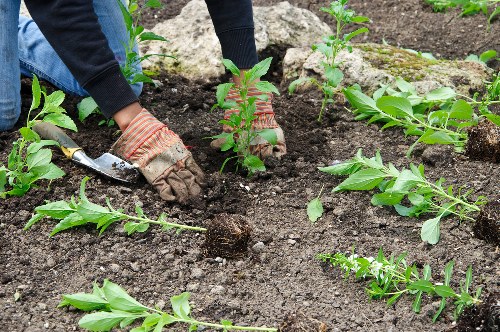
Good pruning is careful and selective. It is not about taking as much off as possible. The aim is to make precise cuts that improve structure while avoiding damage to the tree. In practice, that means removing branches for a reason: to improve balance, clear hazards, encourage healthy growth, or manage size in a way that still looks natural.
Different trees respond differently to pruning. Some species tolerate light and moderate work very well, while others need a more cautious approach. Fruit trees, ornamental trees, mature garden trees, and large roadside trees all have different requirements. A skilled team will take into account the time of year, the species, the current condition of the tree, and the surrounding environment before carrying out any pruning.
Common pruning methods explained
Crown thinning is often used where a canopy is dense and blocks too much light or catches the wind. It removes selected branches across the crown without drastically changing the size of the tree. Crown reduction is more suitable where the tree has outgrown its space and needs to be made smaller. Crown lifting helps create clearance beneath the tree, which can be useful on driveways, footpaths, and access routes. Deadwood removal is often recommended for safety and tidiness, especially in areas where people regularly walk or park.
What makes tree pruning in Heston a local job

There is real value in using a local team for tree pruning in Heston. Local knowledge matters because the area includes a mixture of terraced streets, semi-detached homes, larger residential plots, commercial buildings, and properties near busy transport routes. Each setting creates different access and safety considerations, especially where ladders, equipment, and waste removal are involved.
Parking and access can be tight on some streets, so the team needs to plan ahead to avoid unnecessary disruption. In shared garden or frontage situations, there may also be a need to work carefully around neighbouring fences, sheds, parked cars, paving, and mature planting. A local service is more likely to understand these day-to-day practicalities and work efficiently in a way that suits the area.
Homes, landlords, and businesses all benefit
Homeowners often want more light, better views, safer garden areas, and tidy boundaries. Landlords and property managers may need pruning before inspections, lettings, or seasonal maintenance. Commercial customers may be more focused on access, appearance, and reducing risks near entrances, loading areas, or car parks. In all cases, a local pruning service should be flexible enough to deal with the specific needs of the property rather than offering a one-size-fits-all job.
What to expect from the pruning process
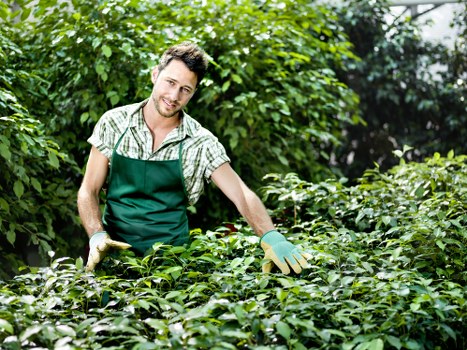
When you arrange tree pruning, it helps to know how the service usually works. A proper visit should begin with an assessment of the tree, the surrounding area, and the outcome you want. From there, the work can be planned around safety, access, and the correct pruning method.
In most cases, the process includes these stages:
- Initial assessment: The tree is inspected for size, structure, deadwood, signs of stress, and any issues affecting nearby property or access.
- Pruning plan: The team decides what needs to be removed, how much can be taken off, and whether a crown reduction, thinning, lifting, or selective pruning is most suitable.
- Safe setup: The area is prepared to protect people, vehicles, and nearby surfaces. This is especially important where space is limited.
- Carrying out the pruning: Cuts are made carefully to maintain the health and shape of the tree.
- Waste removal and tidy-up: Branches and arisings are cleared away so the site is left neat and usable.
Many customers appreciate that the work is completed in one visit, but this depends on the size of the tree and the scale of the job. Larger trees or more complex pruning tasks may take longer, particularly if access is restricted or the tree is close to structures.
Benefits of professional pruning for local customers
Professional pruning offers more than just a neat finish. It can improve safety, protect property, and support the long-term health of the tree. For many customers, the biggest benefit is peace of mind: the knowledge that the tree has been assessed and maintained correctly rather than being cut back in a way that could create future problems.
Key benefits include:
- Reduced risk of branches breaking in strong winds or bad weather
- Better light into gardens, rooms, and shared spaces
- Improved clearance over paths, drives, and access points
- A tidier appearance for front gardens, commercial premises, and boundary trees
- More balanced growth and better long-term structure
- Less conflict with roofs, gutters, fences, and neighbouring properties
- Potentially reduced nuisance from overhanging branches or dropped debris
In some cases, pruning can also help a tree recover from poor previous work. If a tree has been cut badly in the past, careful corrective pruning may improve its shape and reduce the chance of future damage. This should always be done thoughtfully rather than aggressively.
Why timing can matter
Timing depends on the species, the purpose of the pruning, and the condition of the tree. Some pruning can be done at many times of year, while other work is best timed more carefully. For example, a tree with deadwood or safety issues may need attention sooner, while formative pruning for younger trees or work on certain ornamental species may be better planned around the tree’s natural growth cycle. A local specialist can advise on the best time for your particular tree.
How to prepare for tree pruning at your property
Good preparation helps the job run more smoothly and can reduce delays on the day. If you are booking tree pruning in Heston, there are a few simple steps that can make a difference, especially where access is tight or the tree sits close to a building or shared boundary.
Preparation checklist:
- Move cars away from the work area if possible
- Clear garden furniture, children’s toys, and other fragile items from beneath the tree
- Keep pets indoors or away from the work zone
- Check whether the team will need access through a side gate or rear entrance
- Tell neighbours in advance if branches overhang adjoining gardens or driveways
- Point out any concerns, such as weak limbs, recent damage, or areas you particularly want preserved
If the tree is near a public pavement, communal area, or shared driveway, it may be helpful to plan the visit at a time when disruption is lowest. A local crew can usually advise on the best practical approach once they know the layout.
Useful note: If the tree is subject to a tree preservation order or is in a conservation area, additional checks may be needed before work begins. It is always sensible to confirm the status of the tree before arranging major pruning.
What affects the cost of tree pruning?
Customers often want to know what influences the price of pruning, and the honest answer is that it depends on several practical factors. Rather than fixed estimates, it is better to consider what makes a job straightforward or complex. A smaller, accessible tree in an open garden will generally take less time than a large mature tree close to a house, garage, or road.
Factors that may affect pricing include:
- The size and height of the tree
- The type of pruning required
- How much material needs removing
- Access to the tree and space for equipment
- Whether the tree is near buildings, fences, or cables
- Waste removal requirements
- Any need for extra care around neighbouring land or public areas
A reliable local company will usually want to see the tree or at least understand its size and location before offering a proper quote. This is the best way to avoid surprises and to make sure the work is priced fairly based on the actual task.
Why a site-specific quote is useful
Every tree is different, and so is every property. A quote based on the real conditions is more helpful than a rough guess. It allows the team to plan the correct equipment, labour, and disposal process. For customers, that means a clearer understanding of what is included and a better chance of getting the result they want.
Why choose a local company for tree pruning in Heston?
Choosing a local service is often the most practical option. A local team can respond more quickly, understands the layout and character of the area, and is more familiar with the types of trees commonly found in Heston and nearby districts. They are also more likely to understand local access problems, parking restrictions, narrow driveways, and how to work respectfully in residential streets.
Local advantages include:
- Faster scheduling and easier site visits
- Better understanding of local property layouts
- More practical handling of access and parking constraints
- Experience with both domestic and commercial settings
- Clear communication about what can be achieved on site
- A service that is easier to arrange for repeat maintenance
Local customers often prefer to use one team for ongoing tree care because it creates consistency. If the same company has seen the tree before, they can judge how it is responding to pruning over time and suggest the right next step when future maintenance is due.
Residential and commercial pruning needs
In residential settings, the focus may be on privacy, shade, tidiness, and safety. In commercial settings, the priorities can include appearance, access, and keeping routes clear for customers, staff, and deliveries. A good pruning service should be able to handle both confidently and work with minimal disruption.
Areas covered around Heston
Tree pruning work in Heston often extends into nearby parts of West London, where similar property types and access challenges are common. Customers in surrounding neighbourhoods may have the same need for careful pruning, whether the tree stands in a private garden, front boundary, shared courtyard, or business premises.
Nearby areas commonly served may include:
- Hounslow
- Southall
- Hayes
- Norwood Green
- Osterley
- Brentford
- Isleworth
- Feltham
If you are just outside Heston, it is still worth asking whether the service can cover your property. Local tree work often extends across neighbouring areas because the same practical considerations apply: limited access, mature boundary trees, close neighbours, and the need for tidy, efficient work.
Frequently asked questions about tree pruning
How do I know if my tree needs pruning?
If the tree is blocking light, brushing against the house, growing into nearby structures, or showing lots of dead or crossing branches, it may benefit from pruning. You may also want pruning if the tree has become too wide for the garden or is affecting driveways, paths, or neighbouring land.
Can all trees be pruned the same way?
No. Different species and ages need different methods. Some trees can handle light reduction or thinning well, while others need a more conservative approach. The right method depends on the tree itself and its location.
Is pruning bad for trees?
Not when it is done properly. Careful pruning can support a tree’s health and structure. Problems usually arise when too much is removed, cuts are made in the wrong place, or the tree is repeatedly over-pruned.
Do I need to be home during the work?
That depends on the job and access arrangements. Some customers prefer to be present at the start so they can confirm the work required, while others arrange access in advance and let the team proceed. The most important thing is that everything is agreed clearly beforehand.
What happens to the branches and waste?
Tree pruning usually creates a significant amount of branch material, and this is normally removed as part of the service. A tidy clear-up is an important part of a professional job, especially for customers who need the garden or forecourt ready to use again quickly.
Can pruning improve safety near my house?
Yes. Removing deadwood, reducing excess weight, and improving the structure of overextended branches can all reduce risk. It is especially useful where trees are close to roofs, parking areas, or places where people regularly walk.
What if my tree is very overgrown?
Very overgrown trees can often still be managed, but the approach should be cautious. In some cases, staged reduction over time is better than one heavy cut. This helps the tree adapt and can produce a better result overall.
When pruning is better than removal
Many customers worry that a problem tree will need to be cut down, but that is not always the case. Pruning can solve a surprising number of issues if the tree is otherwise healthy and structurally sound. If the main concern is size, light, or overhanging branches, a reduction or selective pruning may be enough to restore balance and usability without removing the tree completely.
This is one of the reasons a proper inspection matters. A good local arborist will look at whether the tree can be managed safely and sensibly before suggesting any more drastic action. Keeping a well-placed tree can offer long-term value in shade, privacy, and garden character, so it is often worth exploring pruning first.
Booking tree pruning in Heston
If your tree is starting to dominate the garden, interfering with access, or simply needs regular maintenance, now is a good time to arrange a visit. A local team can assess the tree, explain the best pruning options, and carry out the work in a way that suits your property and your schedule.
Whether you are a homeowner, landlord, business owner, or property manager, the aim is the same: keep the tree healthy, keep the area safe, and leave the site looking neat and manageable. If you have been searching for tree pruning in Heston, the next step is simple: contact us today to discuss your tree, request a free quote, or book your service now.
Choose a local team that understands Heston’s homes, streets, and access challenges, and get tree care that fits the space you have.